Results 1 to 20 of 1,568
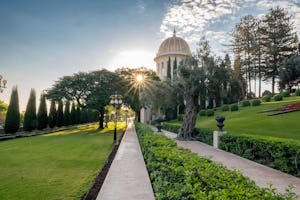
Shrine of the Báb: Recent work at the Shrine completed
BAHÁ’Í WORLD CENTRE, November 25, 2024
Recent construction work at the Shrine of the Báb concludes, enhancing accessibility through new pathways and an expansion of the plaza at this sacred site on Mt. Carmel.

“Practitioners of Peace”: Ontario youth conference strengthens movement for social progress
WATERLOO, ONTARIO, Canada, November 21, 2024
Over 700 youth gathered to explore their part in building peaceful communities through service to their society.
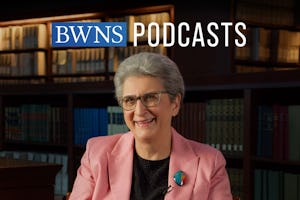
Podcast: Bahá’í Chair examines conditions essential for lasting peace
COLLEGE PARK, MARYLAND, United States , November 18, 2024
The Bahá’í Chair for World Peace at the University of Maryland examines how spiritual and moral principles can help overcome barriers to creating a peaceful world.

Germany: Youth explore friendship and online interactions through film
POTSDAM, Germany , November 14, 2024
A group of youth produce a short film about fostering true friendship amidst digital interactions, screened at local cinema to inspire community reflection.
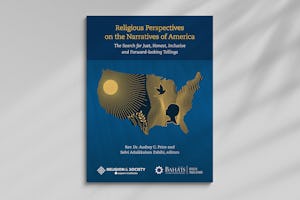
United States: New volume explores spiritual insights on America’s evolving story
WASHINGTON, DC, November 10, 2024
U.S. Bahá’í Office of Public Affairs and Aspen Institute release collaborative essays examining inclusive American narratives through insights of religion.

Kazakhstan: New documentary explores paths toward social progress
ASTANA, Kazakhstan, November 7, 2024
A new documentary examines how Bahá’í community-building initiatives in Kazakhstan are fostering social progress while drawing from the country’s rich cultural heritage.
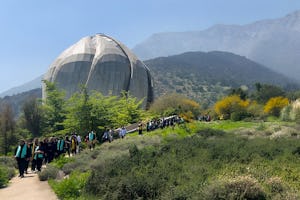
Chile: Eight years on, temple continues to uplift hearts and inspire service
SANTIAGO, Chile, November 5, 2024
Since its dedication in 2016, the Bahá’í Temple in Santiago has welcomed over 2.5 million visitors, fostering a spirit of worship and service to society.

Houses of Worship: Three new Bahá’í temples announced
BAHÁ’Í WORLD CENTRE, October 30, 2024
The Universal House of Justice has called for three new Bahá’í temples to be established—two national temples in Brazil and Malawi and a local temple in Cameroon.

Insights from the field: Podcast explores the contribution of the Bahá’ís of Iran to society
BAHÁ’Í WORLD CENTRE, October 28, 2024
Historian Mina Yazdani explores how Iran’s Bahá’í community, despite persecution, has contributed to social progress through education, health, and agriculture.
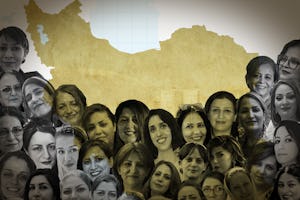
BIC Geneva: UN experts condemn Iran’s persecution of Bahá’í women
BIC GENEVA, October 23, 2024
In a joint letter of allegations, eighteen UN experts condemn Iran’s systemic persecution of the country’s Bahá’í women.
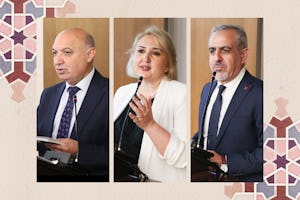
Azerbaijan: Reimagining path to peace through harmony of science and religion
BAKU, Azerbaijan, October 20, 2024
National discussion explores how the principle of the harmony of science and religion can address societal challenges, offering a path to social betterment.
Bahá’í World Publication: New essay highlights biodiversity loss, recasting relationship with nature
BAHÁ’Í WORLD CENTRE, October 15, 2024
A new essay explores how individuals, communities, and institutions can contribute to a more sustainable future amid deepening environmental crises.
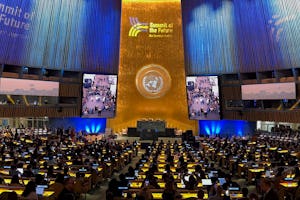
Summit of the Future: Charting a path toward peace grounded in a shared identity
BIC NEW YORK, October 10, 2024
The central theme of the BIC’s contribution to the Summit of the Future was the need to place humanity’s interdependence at the heart of systems of global governance.

Insights from the Field: Podcast explores annual conference of the Association for Bahá’í Studies
ATLANTA, United States, October 2, 2024
Podcast episode explores the 48th ABS conference, featuring discussions on applying Bahá’í teachings to contemporary issues across diverse academic fields.

BIC New York: New video highlights youth voices on global interdependence
BIC NEW YORK, September 23, 2024
New BIC short film features youth from Bahá’í communities worldwide sharing reflections on global interdependence and what the Summit of the Future can represent.
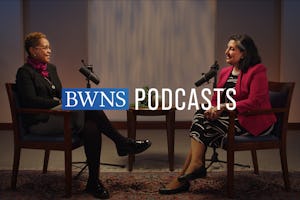
In Conversation: Podcast explores the BIC’s contributions to the discourse on global governance
BAHÁ’Í WORLD CENTRE, September 19, 2024
BIC representatives explore the discourse on global governance, highlighting principles of oneness, consultation, and service ahead of UN Summit of the Future.
Summit of the Future: BIC statement calls on leaders to reimagine global order
BIC NEW YORK, September 12, 2024
BIC statement urges embracing humanity’s interdependence as foundation for global governance, challenging world leaders to rethink systems at upcoming UN summit.
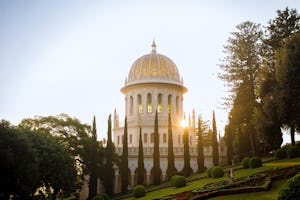
Shrine of the Báb: Significant construction in the grounds of the Shrine
BAHÁ’Í WORLD CENTRE, September 3, 2024
Construction at the Shrine of the Báb encompasses several features to enhance accessibility with significant improvements to paths and enhancements to the plaza.
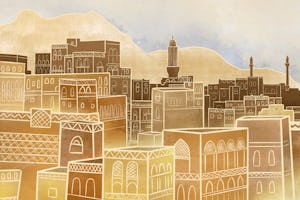
Remaining prisoners released: The Yemeni Bahá’í community’s unyielding pursuit of peace
SANAA, Yemen, August 28, 2024
Remaining Bahá’í prisoners released in Sanaa, illuminating a community’s resilience amid persecution and offering hope in their ongoing pursuit of justice and peace.

Bahá’í Studies: Seeking fresh perspectives to address the needs of humanity
ATLANTA, United States, August 18, 2024
Over 1,900 participants gathered in Atlanta to correlate the Bahá’í teachings with the contemporary questions pertaining to the wellbeing of humanity.