Results 1 to 20 of 1,590
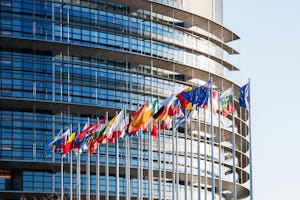
BIC Brussels: Statement calls for new European approach to societal unity
BIC BRUSSELS, March 22, 2025
A new statement of the Bahá’í International Community offers several principles that it suggests could inform EU policies for combating the roots of racism.

In Conversation: Podcast explores spiritual foundations of equality of women and men
BAHÁ’Í WORLD CENTRE, March 13, 2025
BIC representatives discuss how redefining power, fostering inclusive dialogue, and moral and spiritual educational programs are advancing equality of women and men.

“Hope helps you find joy”: Gathering during intercalary days fosters unity amid societal tensions
BAHÁ’Í WORLD CENTRE, March 10, 2025
A gathering marking Ayyám-i-Há brings together 75 guests from diverse social and religious communities in the ‘Akká area, highlighting our common humanity.

BIC New York: Equality of women and men essential for creating peaceful societies
BIC NEW YORK, March 7, 2025
BIC statement to the 69th session of the UN’s Commission on the Status of Women emphasizes equality as essential to lasting peace.
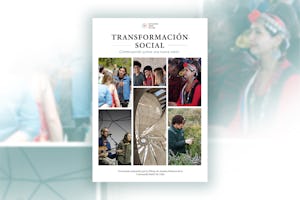
Chile: New publication explores paths to social transformation
SANTIAGO, Chile, February 24, 2025
A publication by the Bahá’ís of Chile examines how reconceptualizing human identity based on the oneness of humanity is essential for fundamental societal change.
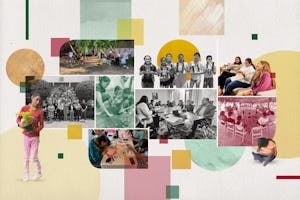
Mexico: Countering violence in neighborhoods through service
MEXICO CITY, February 16, 2025
Discussions explore how recognition of the spiritual nature of human beings can help address the roots of violence and strengthen social cohesion.

In Conversation: Podcast explores contributions to prevalent discourses in Kazakhstan
BAHÁ’Í WORLD CENTRE, February 3, 2025
Members of Kazakhstan’s Bahá’í Office of Public Affairs discuss how collective exploration of spiritual principles over the years is fostering societal harmony.

Bahá’í World News Service: Arabic-language BWNS launches
BAHÁ’Í WORLD CENTRE, January 30, 2025
The News Service has now integrated the Arabic language into its website, marking a notable enhancement since the News Service was established over two decades ago.
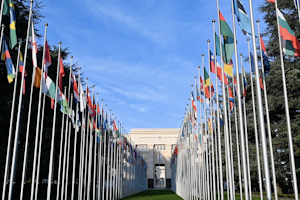
BIC Geneva: UN Member States raise concern about Bahá’ís during Iran’s Universal Periodic Review
BIC GENEVA, January 28, 2025
At the recent UPR, a significant number of UN Members State raised concerns about the systematic persecution of the Bahá’ís in Iran.
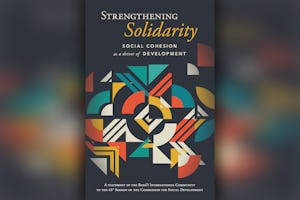
BIC New York: New statement explores spiritual dimension of human prosperity
BIC NEW YORK , January 23, 2025
Human prosperity depends as much on social, moral, and relational factors as on technological, material, and financial ones, says the BIC in a new statement.

In Conversation: Podcast explores BIC’s contributions to the discourse on societal harmony
BAHÁ’Í WORLD CENTRE, January 15, 2025
BIC representatives discuss how spiritual principles and a conception of human nature rooted in the nobility of human beings can guide efforts to foster societal harmony.
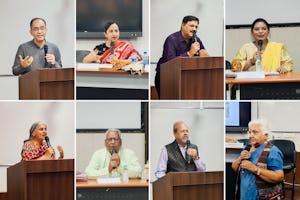
India: Transforming economic structures to build a more caring society
INDORE, India, January 8, 2025
The Bahá’í Chair for Studies in Development at Devi Ahilya University explores how spiritual principles can transform economic structures to foster a more caring society.

The Bahá’í World Publication: Historic series resumes with new print volume
BAHÁ’Í WORLD CENTRE, January 3, 2025
The 35th volume of this historic series, covering 2006-2021, explores endeavors of people worldwide working to apply spiritual principles toward social progress.

2024: Year in Review
BAHÁ’Í WORLD CENTRE, December 27, 2024
As 2024 comes to an end, the Bahá’í World News Service looks back at glimpses from efforts of the global Bahá’í community to foster a more peaceful world.
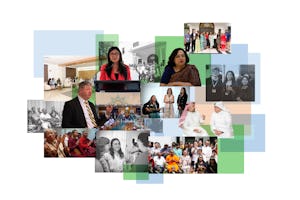
Social Cohesion: National gatherings explore paths toward societal harmony
CANBERRA, Australia, December 24, 2024
Several national Bahá’í communities mark the births of the Báb and Baháʼu’lláh, with gatherings that bring together societal leaders to explore paths toward harmony.

Insights from the Field: Podcast explores the contribution of the Bahá’ís of Uzbekistan to society
BAHÁ’Í WORLD CENTRE, December 21, 2024
Podcast explores the rich history of the Bahá’í community in Uzbekistan, highlighting its contributions to education, equality of women and men, and social harmony.
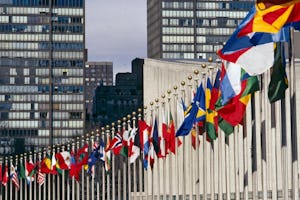
BIC New York: Rising support at UN General Assembly resolution criticizing Iran for persecution of Bahá’ís
NEW YORK, December 18, 2024
The UN General Assembly rebukes Iranian government for its human rights violations, including against the Bahá’í community.
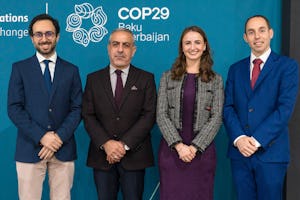
COP29: Exploring new approaches to climate action
BAKU, Azerbaijan, December 11, 2024
At the UN Climate Conference, BIC delegates highlighted how the principles of humanity’s oneness and consultation are essential to addressing environmental challenges.
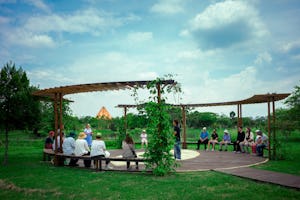
“A haven of peace”: Native forest at Colombia temple promotes environmental action
AGUA AZUL, Colombia, December 4, 2024
A native forest project on the grounds of Colombia’s Bahá’í House of Worship demonstrates how spiritual principles can guide environmental conservation.

Niger: Amid social challenges, youth advance culture of peace
MARADI, Niger, December 2, 2024
At a conference in Maradi, over 300 young people explored how Bahá’í educational initiatives can foster patterns of community life that bring about peace.